Most of us aren’t relaxed on camera. Even trained actors sometimes get that “Where do I put my hands?” feeling. For most people, the idea of being interviewed on film or recording themselves feels awkward and unnatural.
But nerves and stiffness sometimes have little to do with you. They’re frequently about the preparation process and the environment created on shoot day.
If proper care is given to these parts of production before the camera is ever in front of you, the result can far exceed your expectations, regardless of your experience.
Whether you’re working with a production company or filming yourself, here are five things that can help you feel more confident and natural on camera.
1. Prepare Long Before the Camera Turns On
The work starts before filming. Taking time to think through what you want to say, not in a scripted way but in an exploratory, conversational way, makes a big difference.
Talk through your key points with someone you trust. Practice telling your story out loud in a relaxed setting, or go for a walk and work through your ideas. This approach has been used for millennia to generate thoughts and solve problems.
However you go about it, land on what matters most and why.
By the time you’re on camera, you’ve already told these stories a few times. There’s a much higher level of comfort. You go in feeling prepared.
At Common Thread Films, this pre-production conversation is a core part of our process. Time spent here not only makes filming days more efficient, it produces much better results on film.
2. Make It Feel Like a Conversation, Not a Performance
The moment filming starts to feel like a performance, everything tenses up. Mitigating that tendency is key.
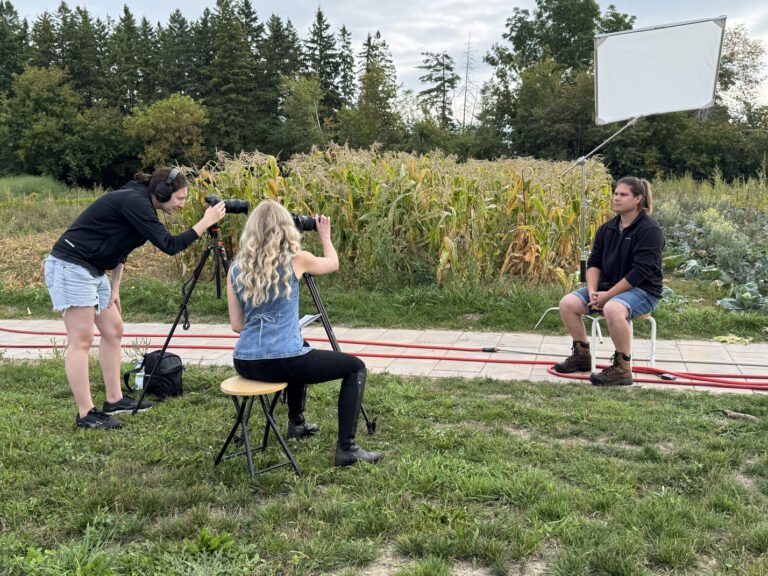
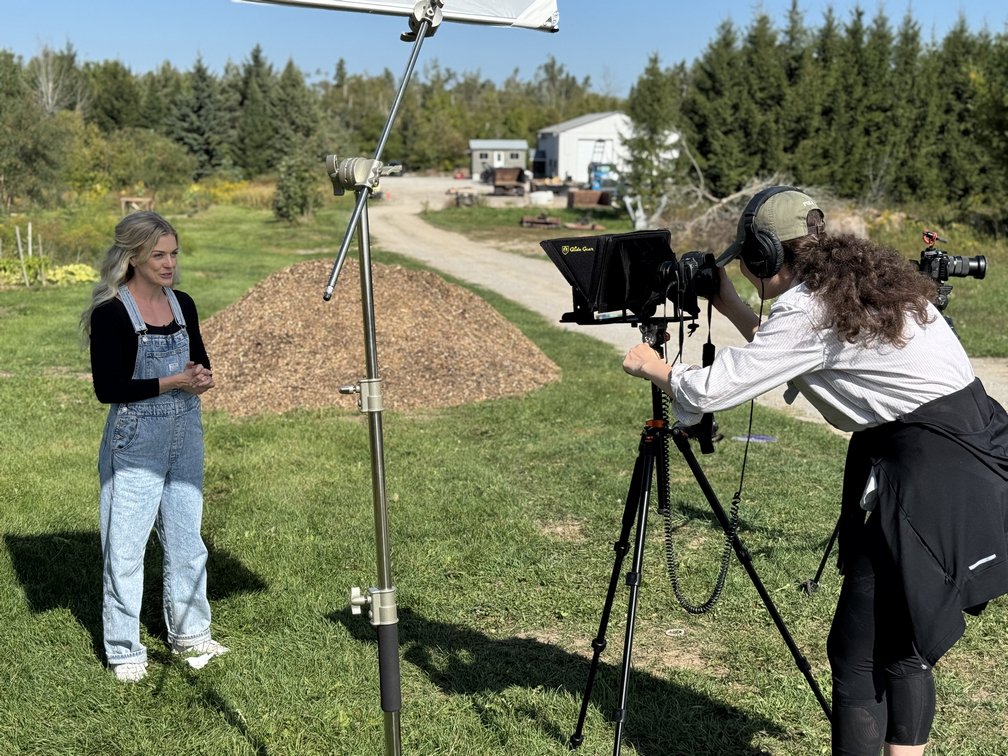
If you’re working with a videographer or director, they should position themselves close to the camera so you’re talking to a person, not a lens. Ideally, they’re actively showing you they’re listening: nodding and reacting to what you’re saying as though sitting across from you at a coffee shop.
If you’re filming yourself, try this: imagine you’re talking to one specific person in your life, a friend or colleague who genuinely wants to hear what you have to say. Don’t perform for an audience. Just talk to that one person.
And if you’re up for it, be vulnerable. I know, I know. But this is often the secret sauce. You don’t need to share everything, but within the context of your story, digging deep to share relevant challenges or past lessons helps audiences relate to you.
The camera and the production itself should slide into the background. As a producer, we want to make sure that the conversation itself is the focal point. This can help increase the likelihood that you deliver your message naturally.
3. Give Yourself Permission to Stumble
This one is overlooked too often.
You’re not shooting a live broadcast. Video doesn’t have to be perfect. In fact, it never is. The pressure to get it right immediately and have everything sound sharp is often what creates stiffness in the first place.
That’s what editors are for. (Not always of course, but we can often “fix it in post.”)
When producing a brand film or mini-documentary, the ratio of footage shot to the final product is at least 10 to 1. 10 to 1! Yes, for every ten minutes the camera rolls, we use less than one minute in the final cut. The overwhelming majority of what gets shot is tossed. What’s left is the good stuff.
Michelangelo didn’t assemble David. Marble was removed to reveal the statue. (Too much? Maybe. But you get the picture.)
This framing should help you relax on shoot day. Production teams understand this but likely don’t share it enough. No producer expects you to deliver gold the whole time they’re rolling. The good ones will normalize this from the start, and may explicitly remind you:
“This isn’t live. Take your time. We’ll find it together. We’re just talking, and we’re only keeping the best parts, so don’t sweat it.”
Stumbling and “awkward” pauses are expected. They are part of the process.
4. Respond to Better Questions (And Leave Space for Answers)
Stiff answers follow vague questions.
If you’re being interviewed for a brand video or company profile, you’ll get better results from questions that invite storytelling rather than recitation.
Instead of “What does your company do?” a good producer might ask, “Tell me about a moment when you realized how important this work is to you.”
Instead of “Why should people choose your company?” try “Walk me through what it’s like to work with your team. Thinking about the last week, what stories or moments strike you as unique to your industry or representative of how your team operates?”
These kinds of questions invite organic responses. They’re less likely to sound like they are lifted verbatim from an About Us page. They feel real, and audiences can tell.
And here’s what matters after the question is asked: space. Silence isn’t awkward. It’s where depth lives. People think, go deeper, surprise themselves. Jumping in too fast robs you of that discovery. Wait, listen, and let the story unfold naturally.
5. Reflect the Story Back in Real Time
When you share something meaningful during an interview, a good interviewer will acknowledge it like they would in a regular conversation.
Imagine someone pausing mid-conversation to say, “That thing you just said about your relationship with your customers was powerful. Your audience will relate to that.”
It can really elevate the energy. It validates you, releases tension, and often encourages more depth.
If you’re filming yourself, this is harder to do in the moment, but you can watch your footage back and notice what felt real. Those are the moments to trust and likely to share.
Content That Actually Feels Real
If you’ve been putting off creating video content because you’re worried about how you’ll come across, start here. The right preparation, environment, and framing can make all the difference.